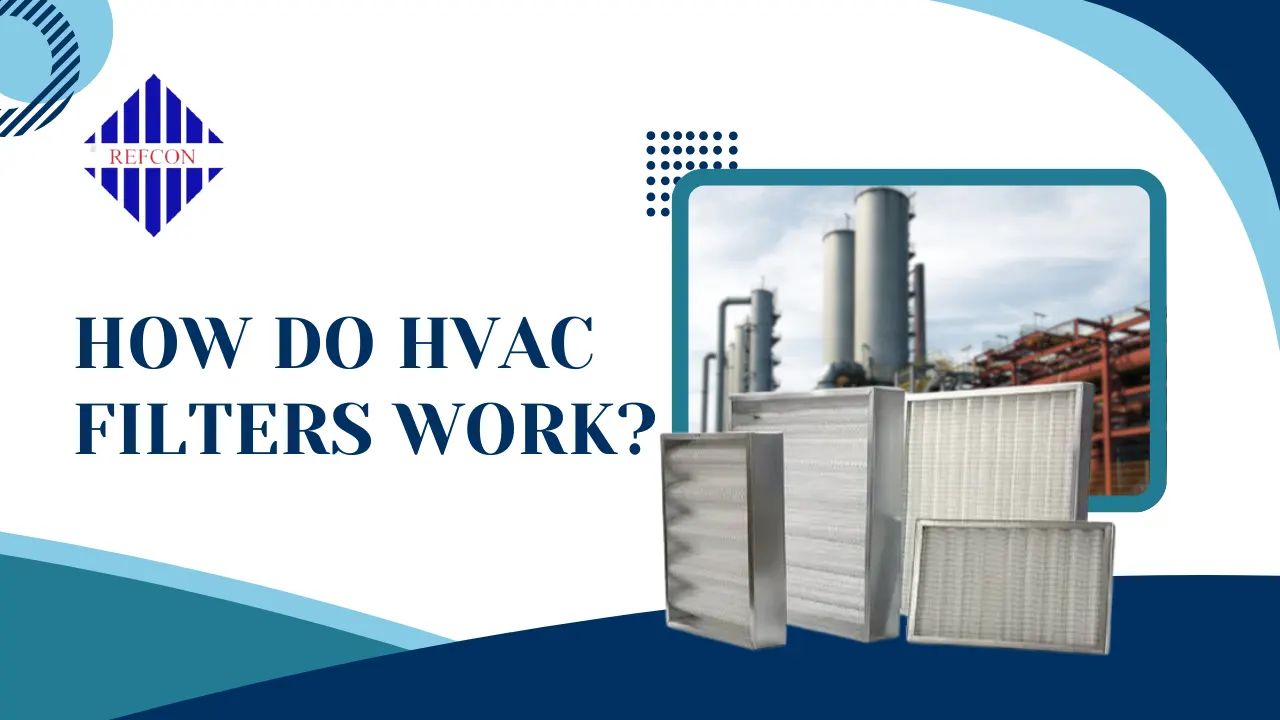
Indoor air quality plays a major role in maintaining comfort, health, and overall system efficiency in homes, offices, and industrial buildings. The quality of the air we breathe directly affects our comfort, health, and productivity. At the center of indoor air quality lies one essential component: the HVAC filter. These filters are small, but their contribution to efficient ventilation and healthy living is huge. HVAC systems continuously circulate air, but without proper filtration, dust, allergens, and contaminants can easily spread through the airflow. This is where HVAC filters come into action.
In this detailed blog, we explain how HVAC filters work, why they are important, and what makes advanced filters from Refcon Engineering stand out.
What Is an HVAC Filter?
An HVAC filter is a specially designed air-cleaning component placed inside heating, ventilation, and air conditioning systems. Its job is simple but essential — capture airborne impurities before they enter the system or are recirculated indoors. These filters help in protecting both the equipment and the people inside the building.
Most people assume HVAC filters mainly protect the air people breathe. While this is true, they also play a second crucial role: protecting the HVAC system itself from dust accumulation and mechanical damage.
Typically, HVAC filters are made from:
- Fiberglass
- Pleated synthetic fibers
- Polyester
- High-efficiency particulate (HEPA) materials
- Activated carbon (for odor and gas filtration)
The design, thickness, and material depend on what the filter is intended to remove—dust, pollen, microorganisms, smoke, fumes, or even chemicals.
What Do HVAC Filters Do?
1. Air Passes Through the Filter Media
When the HVAC system operates, it pulls air through return ducts.
This incoming air is forced through the filter, which contains a porous filtration media made of fiberglass, polyester, pleated paper, or synthetic fibers.
2. Particles Get Trapped Inside the Filter
As air flows through, unwanted particles like:
- Dust
- Pollen
- Smoke
- Mold spores
- Small debris
- Pet dander
get trapped in the filter material.
The cleaner air then moves into the HVAC system for heating or cooling.
3. Filtration Efficiency Depends on MERV Rating
HVAC filters are rated using MERV (Minimum Efficiency Reporting Value).
Higher MERV ratings provide better filtration by capturing smaller particles.
Refcon Engineering offers filters across multiple MERV levels, suitable for:
- Homes
- Offices
- Commercial complexes
- Industrial environments
4. Protecting the Equipment
Besides improving air quality, a filter protects the HVAC system’s internal components. With fewer particles entering the system, components stay cleaner, operate more efficiently, and last longer.
5. Maintaining Airflow Balance
A good HVAC filter allows air to pass smoothly, ensuring proper ventilation and system performance.
Refcon Engineering designs filters that balance high filtration efficiency with optimal airflow to prevent strain on the machinery.
Why HVAC Filters Are Essential
Filters do much more than simply clean the air. Here’s why they are a crucial part of every ventilation system:
1. Better Indoor Air Quality
Airborne pollutants can trigger allergies, asthma, headaches, and respiratory issues. An efficient filter traps these particles, ensuring that the indoor environment is cleaner and healthier.
2. Protection for the HVAC System
Without a filter, dust would accumulate on coils, fans, and internal components. This leads to:
- Overheating
- Reduced airflow
- Higher energy consumption
- Early system failure
A good filter keeps the system clean, efficient, and long-lasting.
3. Improved Energy Efficiency
A clean HVAC system operates more smoothly and consumes less power. Dirty coils can increase energy usage by 20% to 40%. Clean filters directly reduce electricity bills.
4. Reduced Maintenance Costs
When filters capture contaminants, mechanical parts remain cleaner, which means:
- Fewer breakdowns
- Lower repair costs
- Longer equipment lifespan
Thus, regular filter maintenance saves money in the long run.
5. Controlled Odors and Gases (Activated Carbon Filters)
Some advanced HVAC filters use activated carbon to absorb:
- Chemical fumes
- Bad odors
- VOCs (Volatile Organic Compounds)
- Smoke
These filters are essential in hospitals, malls, industrial plants, and commercial buildings.
Why HVAC Filters Matter
- Cleaner Indoor Air: Reduces pollutants and allergens, improving breathing comfort.
- Better System Efficiency: A clean filter prevents clogging and reduces energy consumption.
- Longer HVAC Lifespan: Less dust entering coils and ducts means less wear and tear.
- Health & Safety: Helps maintain hygienic air quality in homes, hospitals, industries, and commercial spaces.
Refcon Engineering – Trusted HVAC Filter Manufacturer
Refcon Engineering offers high-quality HVAC Air filters designed for maximum efficiency and long life. Our filters are manufactured with premium materials, advanced filtration technology, and strict quality standards, ensuring clean air and reliable performance across all applications.
Whether the need is for standard filters, high-efficiency filters, or custom HVAC filtration solutions, we provide products that deliver consistent results and superior indoor air quality.
We combine advanced manufacturing technology with industry-grade materials to deliver highly reliable HVAC filtration solutions. Our filters are known for:
- High dust-holding capacity
- Strong structural integrity
- Low resistance to airflow
- Long service life
- Custom sizes and configurations
- Compatibility with all standard HVAC systems
Every filter is designed to ensure cleaner air, smoother ventilation flow, and superior system protection.
Conclusion
HVAC filters may appear simple, but they play a vital role in maintaining indoor air quality, energy efficiency, and the overall health of your HVAC system. They trap dust, pollutants, allergens, microorganisms, and harmful particles before they enter your living or working environment. With advancements in technology, Refcon Engineering is offering highly efficient, durable, and customizable HVAC filtration solutions for every type of application.
Choosing the right HVAC filter and maintaining it regularly ensures cleaner air, better system performance, and a healthier indoor environment.