Air quality, temperature control, and ventilation are essential for comfortable and healthy indoor environments. In modern HVAC systems, the Air Handling Unit (AHU) plays a central role in achieving these objectives. AHUs are used across residential, commercial, and industrial sectors to regulate and circulate air as part of heating, ventilation, and air conditioning systems. Depending on usage, capacity, and environmental requirements, air handling units are available in different types and configurations.
This blog explores the different types of Air Handling Units and their applications, helping you understand how each type functions and where it is best used.
What is an Air Handling Unit?
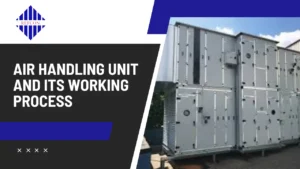
An Air Handling Unit is an HVAC device designed to condition and distribute air within a building or facility. It typically consists of components such as filters, fans, heating or cooling coils, dampers, and controls. The primary purpose of an AHU is to remove contaminants from the air, regulate temperature and humidity, and ensure consistent airflow.
AHUs can be customized based on airflow capacity, filtration level, insulation, and application requirements, making them suitable for a wide range of environments.
Types of Air Handling Units (AHU)
Packaged Air Handling Unit
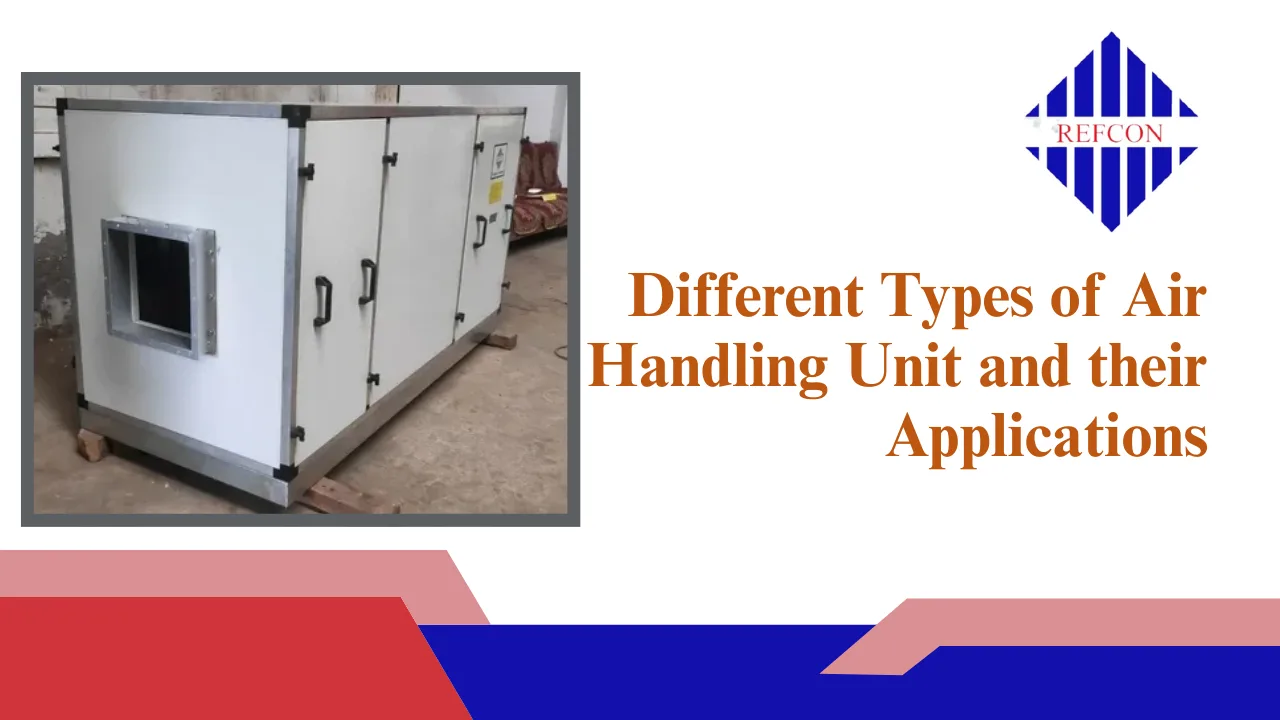
A Packaged Air Handling Unit is a fully assembled system manufactured in a factory with all essential components enclosed in a single casing. These units include fans, cooling/heating coils, filters, dampers, and control panels pre-installed for quick commissioning.
Packaged AHUs are preferred where installation time and space are limited. Since they are factory-tested, they offer reliable performance and reduced on-site labor. Maintenance is also simplified due to the compact and accessible design.
Key Features:
- Compact design
- Factory-tested performance
- Easy installation and maintenance
Applications:
- Office buildings
- Shopping malls
- Hotels
- Educational institutions
2. Modular Air Handling Unit
A Modular AHU is designed in separate sections or modules that are assembled at the site. This design allows for high customization and flexibility in capacity, airflow direction, and component arrangement.
Modular AHUs are ideal for large buildings where transportation of a single large unit is difficult. They allow future expansion and easy replacement of individual sections without disturbing the entire system.
Key Features:
- Customizable sections
- Easy transportation for large capacities
- Flexible expansion options
Applications:
- Airports and metro stations
- Large commercial complexes
- Industrial facilities
- Convention centers
3. Single Skin Air Handling Unit
A Single Skin AHU features a single-layer casing, usually made of galvanized steel. These units are simple in construction and are mainly used where insulation and noise reduction are not major concerns.
Single skin AHUs are cost-effective and suitable for controlled indoor environments. However, they may experience higher heat loss and sound transmission compared to insulated units.
Key Features:
- Cost-effective
- Simple construction
- Suitable for moderate conditions
Applications:
- Small commercial buildings
- Schools and colleges
- Light industrial areas
4. Double Skin Air Handling Unit
A Double Skin AHU consists of an inner and outer panel with insulation material sandwiched in between. This construction minimizes heat loss, prevents condensation, and reduces operational noise.
Double skin AHUs offer improved energy efficiency and structural strength. They are widely used in modern buildings where comfort, noise control, and energy savings are essential.
Key Features:
- Better insulation
- Reduced air leakage
- Low noise operation
Applications:
- IT parks and corporate offices
- Research laboratories
- Premium commercial buildings
5. Hygienic Air Handling Unit
Hygienic AHUs are specifically designed for environments that demand strict air cleanliness and contamination control. These units are made using corrosion-resistant materials, smooth internal surfaces, and specialized coatings to prevent bacterial growth.
They are equipped with high-efficiency filters such as HEPA or ULPA filters and are designed for easy cleaning and maintenance. Hygienic AHUs comply with pharmaceutical and healthcare standards.
Key Features:
- High-efficiency filtration
- Easy-to-clean internal surfaces
- Compliance with hygiene standards
Applications:
- Pharmaceutical manufacturing
- Hospitals and healthcare facilities
- Clean rooms and laboratories
- Food and beverage industries
6. Fresh Air Handling Unit
A Fresh Air Handling Unit is designed to supply filtered outdoor air into enclosed spaces to maintain oxygen levels and improve indoor air quality. These units reduce the concentration of indoor pollutants and enhance occupant comfort.
Fresh air AHUs often include energy recovery systems to minimize energy loss while introducing outside air. They play a vital role in meeting ventilation standards.
Key Features:
- High-quality air filtration
- Improved ventilation
- Energy-efficient operation
Applications:
- Hospitals and clinics
- Auditoriums and theaters
- Shopping malls
- Residential complexes
7. Industrial Air Handling Unit
Industrial AHUs are heavy-duty systems engineered to operate in harsh conditions such as high temperature, dust, fumes, or corrosive environments. These units are built with robust construction and high-capacity airflow handling capabilities.
Industrial AHUs are often custom-designed to match specific process requirements and ensure continuous, reliable operation in industrial settings.
Key Features:
- Robust construction
- High airflow capacity
- Custom-designed for process requirements
Applications:
- Manufacturing plants
- Chemical and process industries
- Power plants
- Textile and automotive industries
8. Custom-Built Air Handling Unit
A Custom-Built AHU is designed to meet unique project requirements that standard units cannot fulfill. These units can include special filtration systems, humidity control, explosion-proof components, or energy recovery features.
Custom AHUs are engineered based on site conditions, process demands, and compliance standards.
Applications:
Specialized industrial processes, clean rooms, data centers, research facilities, and high-precision manufacturing units.
Heat Recovery Air Handling Unit
Heat Recovery Air Handling Unit is an advanced HVAC system designed to improve energy efficiency by recovering heat from exhaust air and transferring it to incoming fresh air. These units play a vital role in reducing energy consumption while maintaining high indoor air quality, making them an ideal choice for modern commercial and industrial buildings.
Features of Heat Recovery AHU
- High energy efficiency
- Reduced heating and cooling costs
- Improved indoor air quality
- Lower carbon footprint
- Compact and integrated design
- Compliance with green building norms
Applications
- Commercial office buildings
- Hospitals and healthcare facilities
- Hotels and hospitality projects
- Shopping malls and multiplexes
- Airports and metro stations
- Educational institutions
- Data centers and clean rooms
Pool Dehumidifier
Pool dehumidifiers are essential systems used to control excess humidity in indoor swimming pool areas. A swimming pool dehumidifier helps remove moisture from the air caused by water evaporation, preventing condensation, mold growth, corrosion, and structural damage.
An indoor pool dehumidifier maintains optimal humidity levels to protect walls, ceilings, and HVAC equipment while ensuring a comfortable environment for swimmers and occupants. These systems improve air quality, enhance comfort, and extend the life of the swimming pool structure and equipment.
Conclusion:
Different types of Air Handling Units serve different purposes across industries. Selecting the right AHU type ensures optimal air quality, energy efficiency, and long-term system reliability. With its commitment to quality and innovation, Refcon Engineering stands out as a trusted partner for reliable Air Handling Unit solutions.