In modern buildings and industries, maintaining clean and controlled air is very important. Whether it is a hospital, shopping mall, office, or pharmaceutical company, proper ventilation and air quality directly affect health and productivity. This is where an Air Handling Unit (AHU) plays a major role.
In this blog, we will understand the AHU full form, AHU full form in HVAC, AHU full form in pharma, AHU room full form, and AHU in the pharmaceutical industry, along with its working process in simple and easy language.
What is an Air Handling Unit (AHU)?
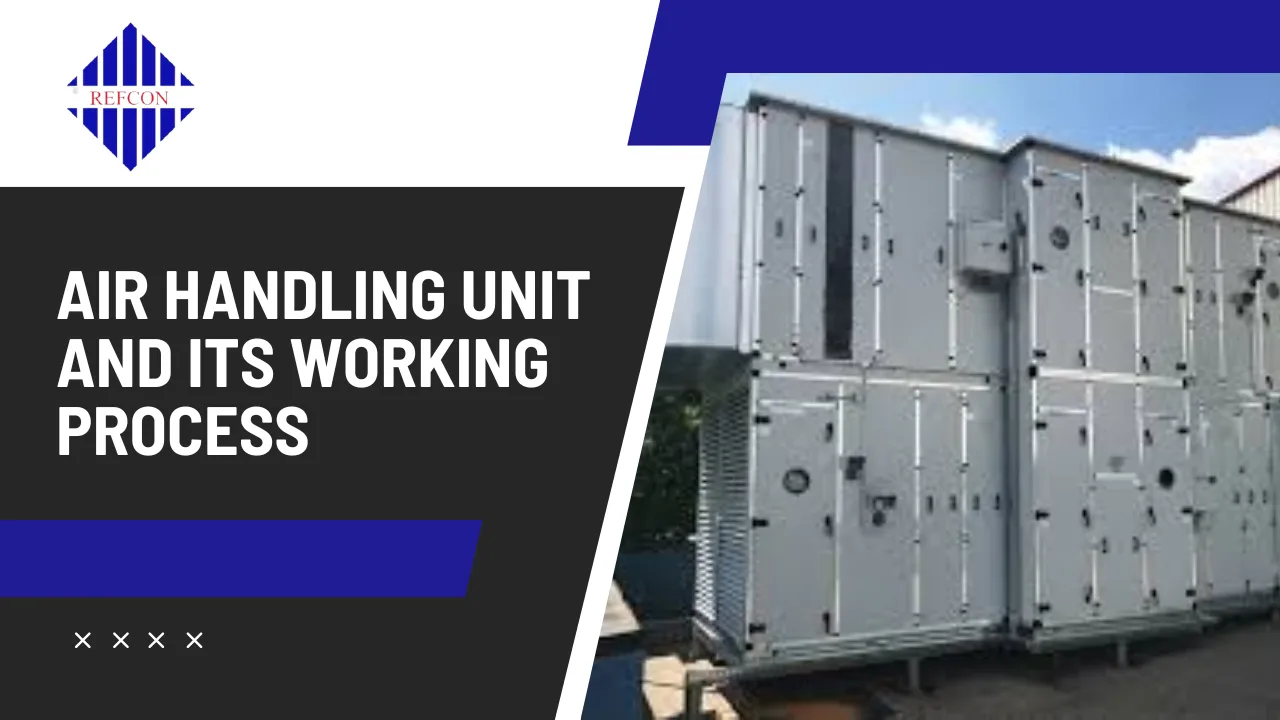
An Air Handling Unit is a central HVAC device designed to condition and distribute air throughout a building. It takes in fresh air or recirculated indoor air, filters it, adjusts its temperature and humidity, and supplies the treated air to different zones through ductwork.
Depending on the application, AHUs can be compact or large modular systems. They are designed to handle specific airflow requirements, filtration levels, and thermal loads, ensuring indoor air quality and thermal comfort.
AHU Full Form
The AHU full form is Air Handling Unit.
It is a machine used to circulate, filter, cool, heat, and control air inside a building. AHU is a key part of an HVAC system.
AHU Full Form in HVAC
The AHU full form in HVAC is also Air Handling Unit.
HVAC stands for Heating, Ventilation, and Air Conditioning.
In HVAC systems, AHU is responsible for:
- Supplying fresh air
- Removing stale air
- Controlling temperature
- Managing humidity
- Maintaining air cleanliness
Without an AHU, proper air circulation and climate control would not be possible.
Importance of AHUs in HVAC Systems
AHUs are essential for:
- Maintaining indoor air quality (IAQ)
- Controlling temperature and humidity
- Removing dust, pollutants, and allergens
- Providing fresh air ventilation
- Supporting process-specific requirements in industries
Well-designed AHUs improve occupant comfort while also enhancing energy efficiency and system performance.
Working Process of an Air Handling Unit
1. Air Intake
The AHU pulls in fresh outdoor air and return air from inside the building. Dampers regulate the amount of fresh and recirculated air to maintain proper ventilation and energy efficiency.
2. Air Filtration
The incoming air passes through air filters such as pre-filters, fine filters, or HEPA filters. These filters remove dust, pollen, smoke, and microorganisms, ensuring clean and healthy air
3. Air Cooling or Heating
After filtration, the air moves through:
- Cooling coils (using chilled water or refrigerant) to reduce air temperature in hot conditions
- Heating coils (using hot water, steam, or electric heaters) to increase temperature in cold conditions
This step conditions the air to the desired indoor temperature.
4. Humidity Control
If required, the AHU adjusts moisture levels:
- Humidifiers add moisture to dry air
- Dehumidification occurs naturally during cooling or through special systems
This ensures comfort and prevents issues like dryness or condensation.
5. Air Circulation and Distribution
A blower or fan pushes the conditioned air through ductwork and diffusers, evenly distributing it throughout the building.
6. Return and Exhaust
Used air returns to the AHU. A portion is exhausted outside to remove stale air, while the remaining air is recirculated to improve efficiency.
AHU in Pharma Industry
An AHU (Air Handling Unit) is an important part of an HVAC system that conditions and circulates air by filtering, cooling, or heating it before supplying it to different areas. An AHU Room is a dedicated space where the Air Handling Unit is installed, designed to process fresh air and return air to maintain required temperature, humidity, and indoor air quality. AHU rooms are commonly used in commercial buildings, hospitals, pharma industry, cleanrooms, and other industrial facilities where controlled air conditions are essential.
In the pharmaceutical industry, the AHU full form remains Air Handling Unit, but its function is more critical than in comfort applications. Pharma AHUs are designed to meet GMP requirements by controlling airborne contamination, temperature, humidity, air change rates, and pressure differentials. They use multi-stage filtration, including HEPA filters, to supply clean and sterile air, prevent cross-contamination, and maintain cleanroom environments, ensuring product quality, safety, and regulatory compliance.
Importance of AHU Rooms in Pharma Plants
- Compliance with WHO-GMP, USFDA, EU-GMP guidelines
- Protection of products, personnel, and environment
- Consistent product quality
- Cleanroom classification (ISO Class 5 to 8)
Conclusion
An Air Handling Unit is the backbone of any HVAC system, responsible for delivering clean, conditioned air while maintaining indoor comfort and air quality. From air intake and filtration to temperature regulation and distribution, each stage of the AHU working process plays a critical role in creating healthy indoor environments.
By choosing a reliable AHU manufacturer like Refcon Engineering, businesses and facility owners can benefit from efficient, durable, and customized AHU solutions designed to meet modern HVAC challenges. With the right AHU system in place, buildings can achieve improved comfort, better air quality, and long-term operational efficiency.